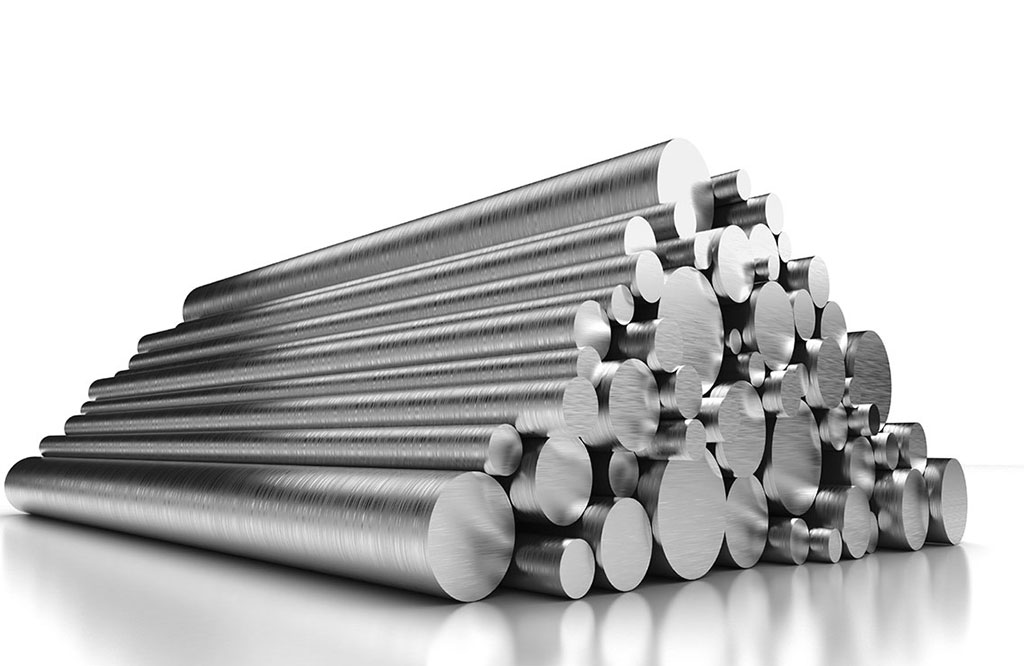
Alloy tool steel is a type of tool steel that undergoes a special alloying process by adding various elements to enhance its mechanical properties and improve its performance in specific tooling applications. It is widely used in the production of cutting tools, molds, and mold bases, applications requiring high strength, high hardness, and high wear resistance.
The types of alloying elements added to tool steel are numerous, depending on the required properties and specific application requirements. Common alloying elements include chromium, molybdenum, vanadium, tungsten, and cobalt. These elements contribute to improving the hardness, toughness, heat resistance, and wear resistance of tool steel.
The alloying process transforms the base tool steel into a stronger material capable of withstanding high mechanical and thermal stresses. The resulting alloy tool steel exhibits excellent strength, superior wear resistance, and better dimensional stability, making it suitable for demanding tooling applications.
Depending on the specific alloy composition and intended use, alloy tool steel can be further subdivided into different grades and types. Common grades of alloy tool steel include AISI D2, AISI H13, AISI M2, and AISI S7. Each grade has a unique combination of alloying elements, thus possessing specific properties tailored to different tooling applications.
Alloy tool steels are widely used in industries such as automotive, aerospace, manufacturing, and toolmaking. They are used to manufacture various cutting tools, punches, dies, mold bases, and mechanical parts requiring high strength, durability, and resistance to wear and deformation.
In short, alloy tool steel is a special type of tool steel whose mechanical properties are enhanced by adding specific elements. It possesses higher hardness, toughness, heat resistance, and wear resistance, making it an ideal choice for various tool applications requiring high-performance materials.


